LOESS Symposium
Showcasing ready-to-use resources with a strong operational focus
Soil hosts more than 25% of all biodiversity on the planet and is the foundation of our food chains. But our soils are suffering and we need healthy soils now more than ever. To value soils, people need more than scientific information, they need to understand how healthy soils impact their lives. Here the LOESS project stepped in with a focus on increasing soil literacy, by developing educational offers and continuous training programmes as well as skills development activities for multiple actors, stakeholders and target groups connected to soil education.
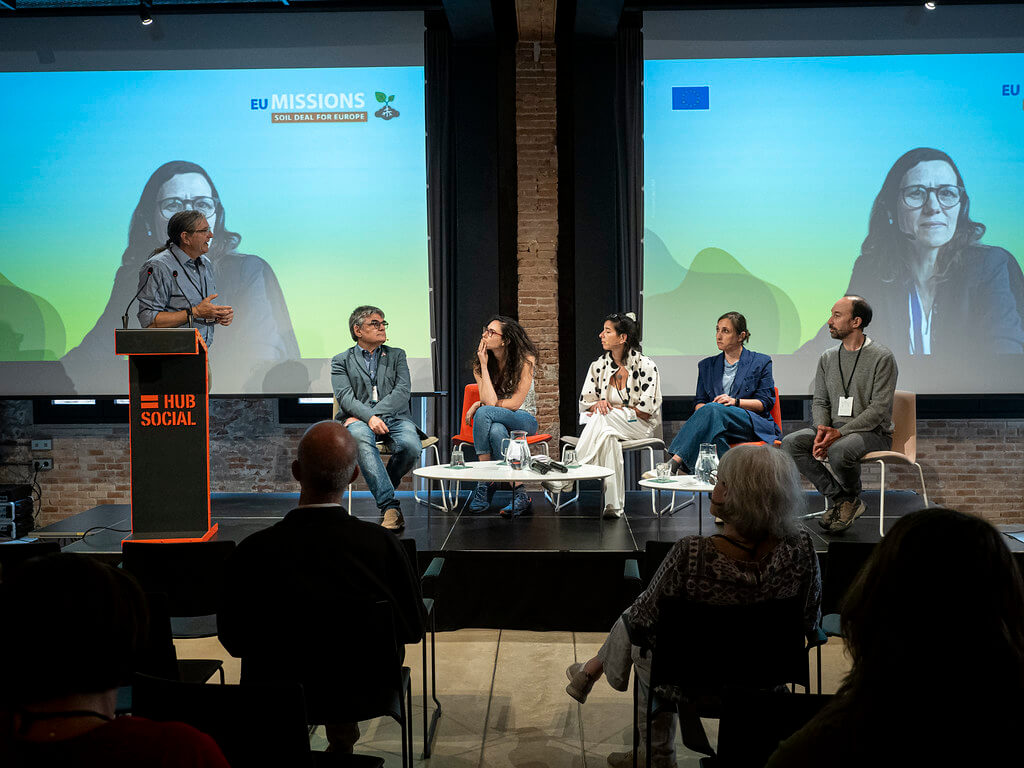
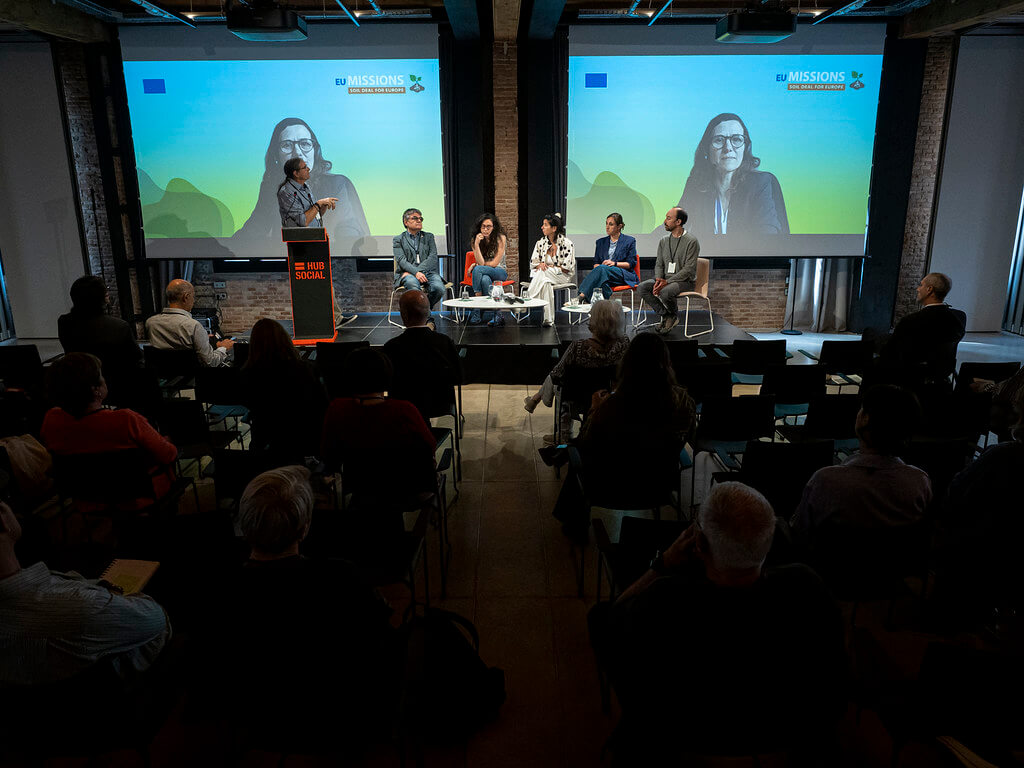
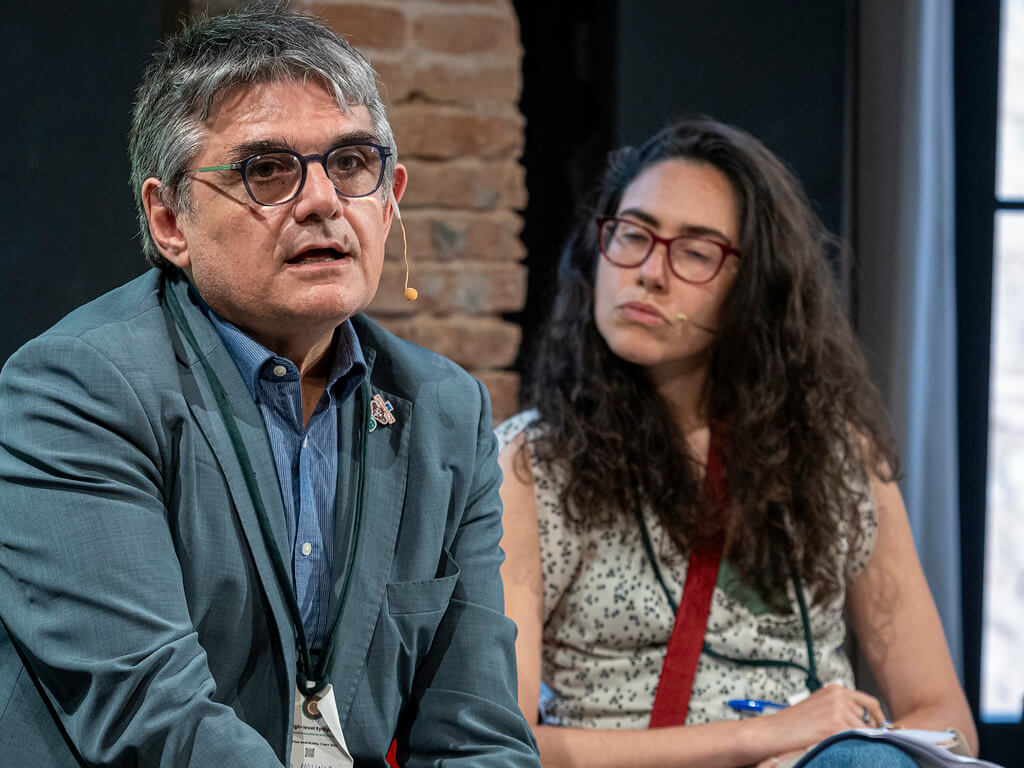
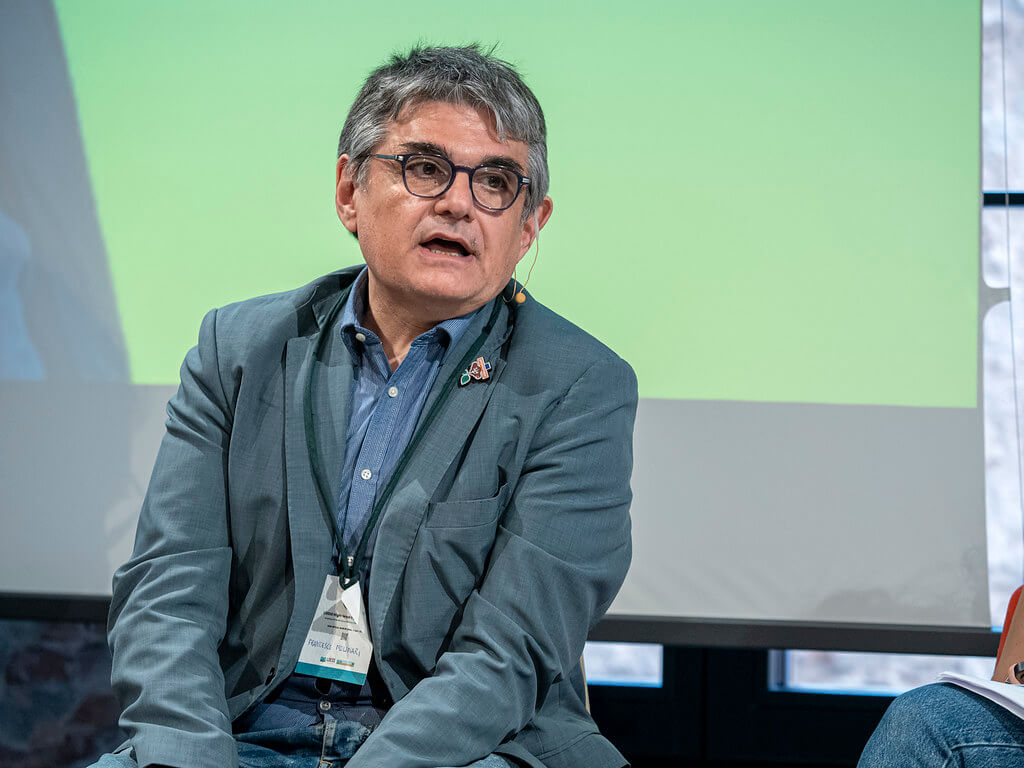
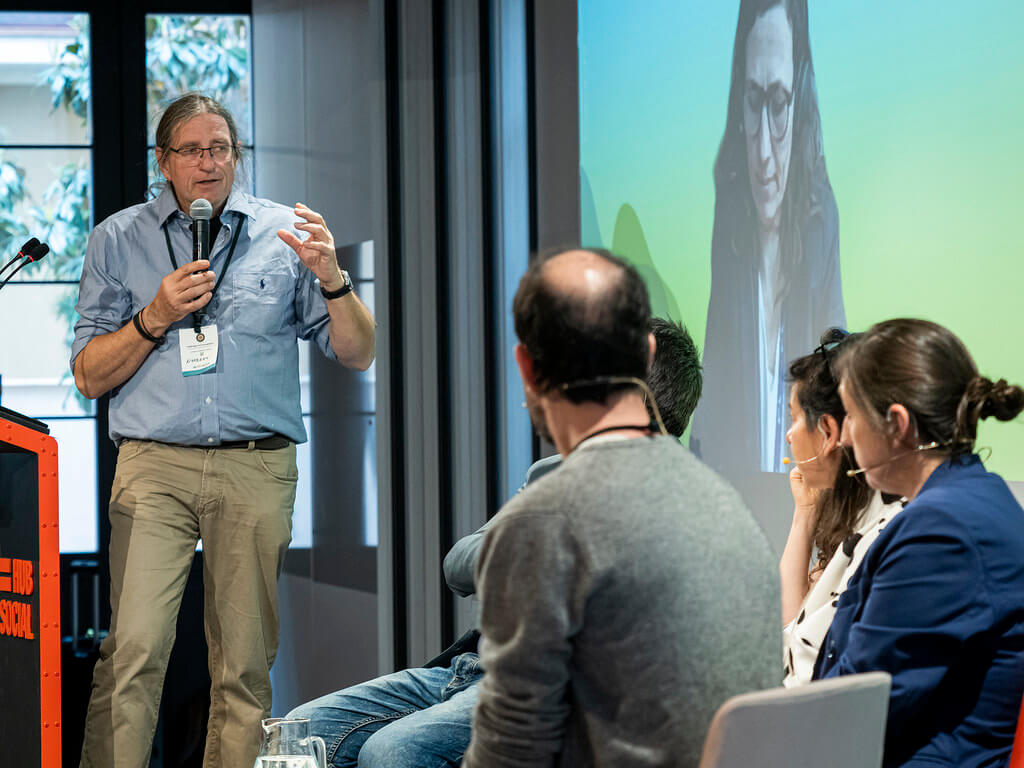
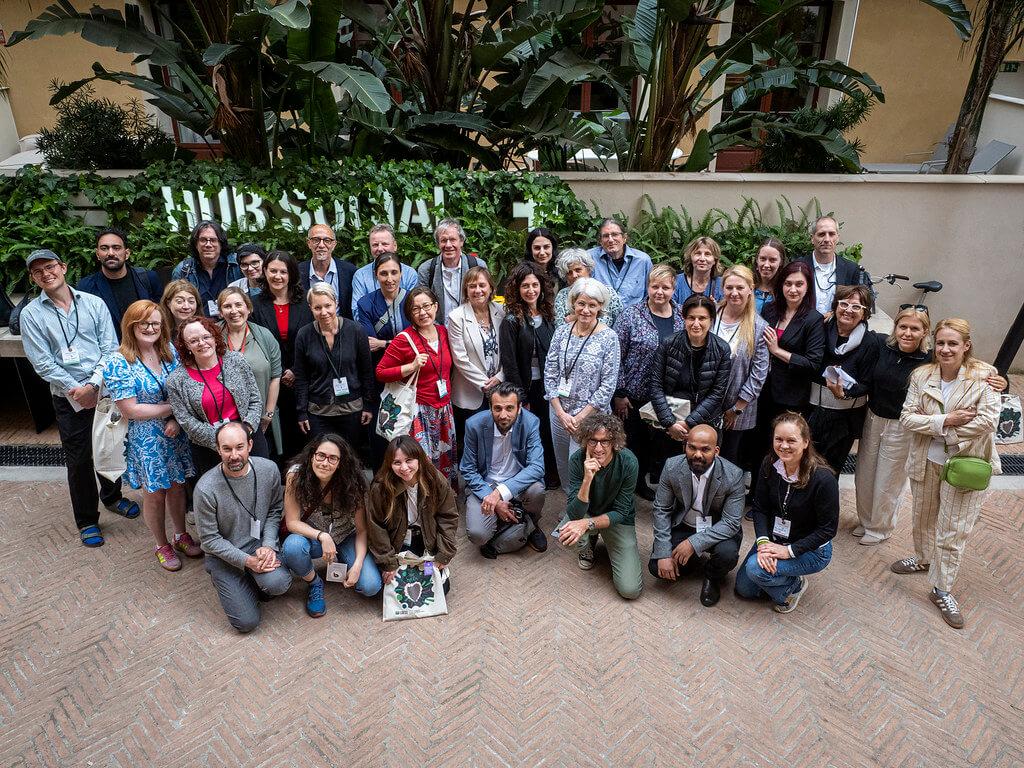
Lately, on 7 May 2026, Barcelona became a vibrant meeting point for Europe’s growing soil health community as the “LOESS High-Level” Symposium unfolded at the BCN Hub Social. Hosted by ACUP and offered in a hybrid format, the event brought together more than 170 participants both onsite and online for a dynamic day dedicated to advancing soil health education across the continent. Teachers from every educational level, students, researchers, policymakers and engaged citizens gathered around a shared ambition: supporting the transition towards healthy soils by 2030, the central objective of the EU Mission “A Soil Deal for Europe”.
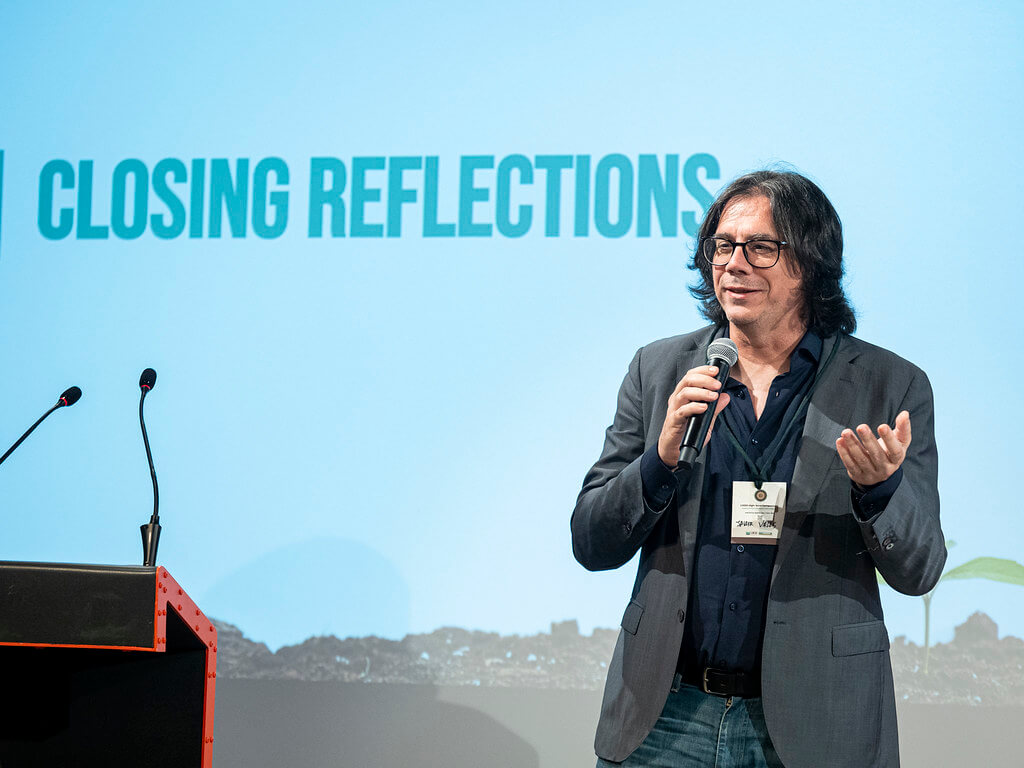
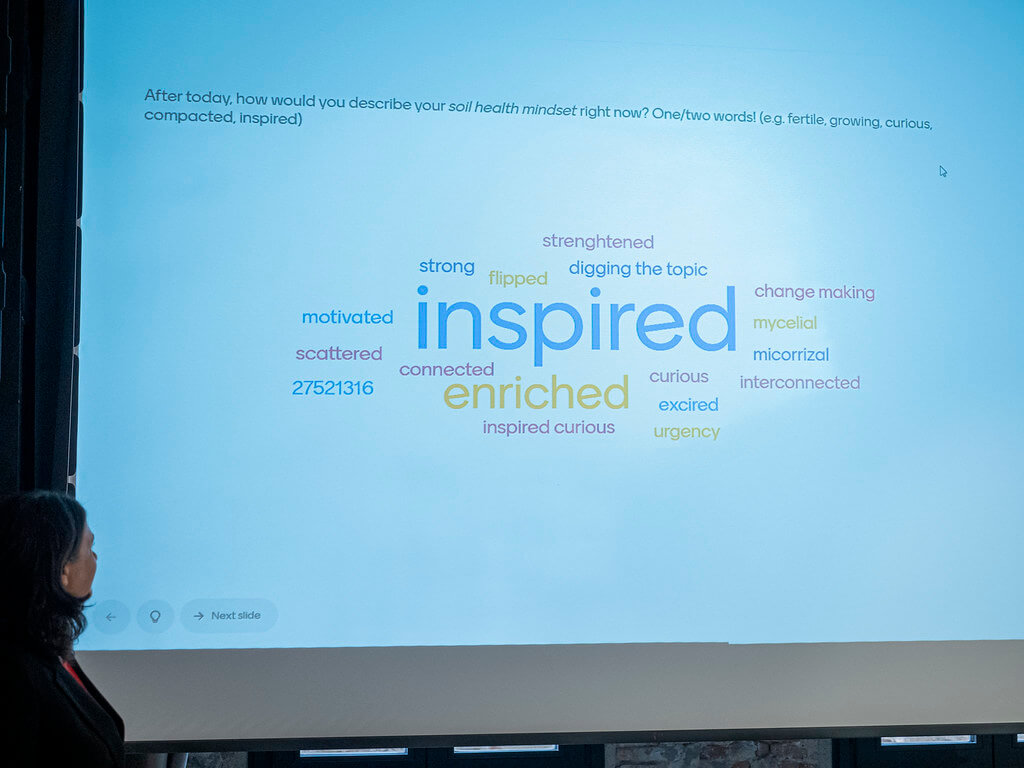
The Symposium highlighted the growing momentum behind soil literacy and the need for stronger connections between science, education and society. In a spirit of dialogue voices from policymaking, academia, schools and student communities shared perspectives that revealed both the complexity and urgency of preparing future generations to care for Europe’s soils. Throughout the day, LOESS partners presented a series of lively lightning pitches showcasing the project’s key achievements and educational resources which naturally flowed into the Interactive Marketplace, where fourteen booths invited participants to explore innovative pedagogical tools, policy recommendations and learning materials designed for schools, universities and society at large.
Beyond science and policy, the Symposium also celebrated the cultural and emotional dimensions of our relationship with soil. Participants experienced the visual art exhibition El sòl que acull by Roser Pesquer (Spain) and the evocative musical performance SOIL ENSEMBLE by Art Collective (Austria), artistic contributions that reminded everyone that soil is not only a resource to protect, but also a source of identity, creativity and human connection.
Panel contributions and posters from other EU Mission Soil projects, such as CURIOSOIL, ECHO, NBSOIL, HuMUS, REVOLVE or SOILTRIBES enhanced the space, encouraging exchange, inspiration and cross-fertilisation among initiatives working to inspire soil awareness among learners of all ages. Networks developed during projects are themselves valuable and an ongoing cross-project and interdisciplinary collaboration will amplify our impacts. The final session’s round table “Looking ahead: The Soil Mission towards 2030”, enriched by Carole Esclapez, Policy Officer at the European Commission’s DG Agri, highlighted that soil literacy is a powerful tool for fostering critical thinking and interdisciplinary education. The Mission Soil projects demonstrate the value of local engagement, transdisciplinary collaboration and long-term partnerships.
All in all, LOESS created spaces of interaction, engagement and dialogue in different academic and social contexts. All our resources are in place and through a six months extension of our project period until November 2026 we will be able to support you in your own efforts to increase soil awareness and soil literacy in your settings.
So, if your next months’ agenda still has open slots, check for the LOESS tools, educational offers and trainings in your country, get in touch with the LOESS team and the LOESS Communties of Practice, and if you want to learn more about LOESS’ and our sister projects’ achievements, look out for upcoming conferences, e.g. by attending the Living Knowledge conference in July in Gdansk, Poland (https://livingknowledge.org/lk11-conference/) and stay updated on the Mission Soil through the Mission Soil Platform (https://mission-soil-platform.ec.europa.eu/).
Enjoy.
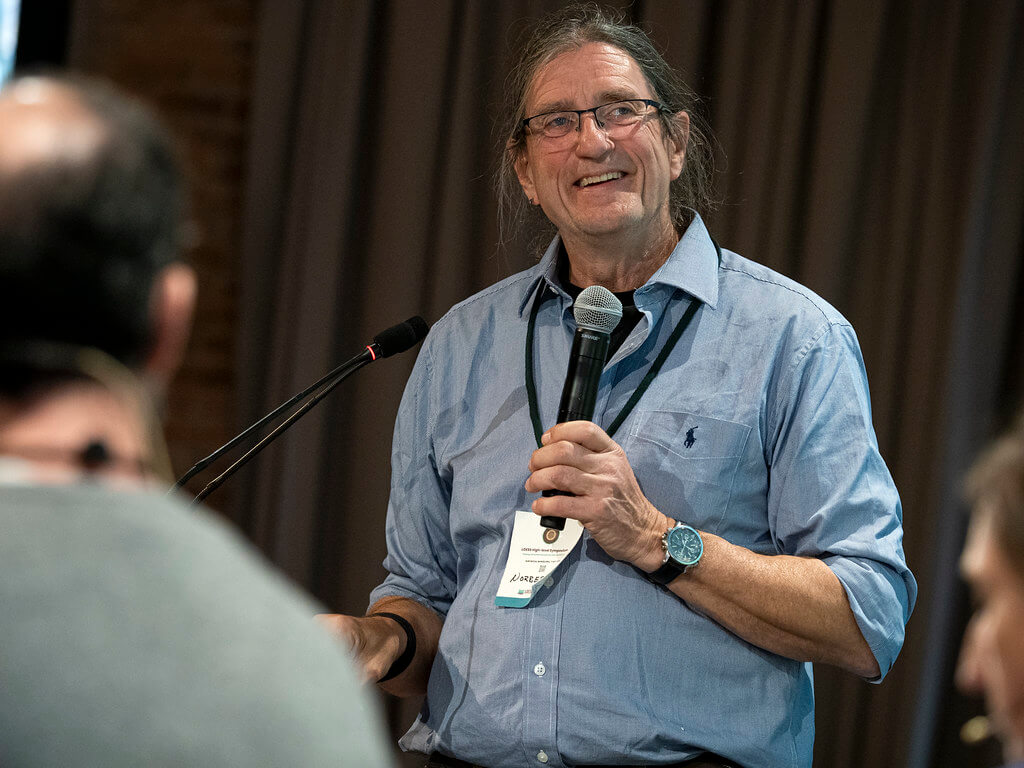
Norbert Steinhaus, LOESS project coordinator.